Hair drop after pregnancy can feel genuinely alarming. One day your hair feels thick and full, and the next you’re noticing more strands in the shower, on your brush, or around the house. If you’re a new mum already navigating huge physical and emotional changes, this sudden shedding can be unsettling and you’re far from alone in feeling that way.
The good news is that postpartum hair shedding is incredibly common. In fact, most women experience some degree of hair loss after giving birth. It’s usually temporary and closely linked to the natural hormonal shifts that happen after pregnancy, particularly the drop in oestrogen levels. While it can look dramatic, this phase is a normal part of your hair’s growth cycle resetting itself and for the vast majority of women, hair does recover over time.
At Rush Hair, we believe that reassurance should come with real, practical support. There are effective ways to care for thinning hair, minimise breakage, and style your hair so it still feels like you during this transition.
In this blog, we’ll walk you through the key causes of post-pregnancy hair drop, what the typical timeline looks like, how to care for your hair at home, clever styling solutions to boost confidence, and when professional support can make a difference. As experts in post-pregnancy hair care, Rush Hair is here to guide you through this phase with knowledge, empathy, and solutions that truly work.
What Is Hair Drop After Pregnancy?
Postpartum hair loss, often referred to as postpartum shedding, is a temporary change in the hair growth cycle that happens after pregnancy. During pregnancy, elevated hormone levels keep more hair in the growth phase, which is why hair often feels thicker and fuller. After birth, as hormone levels return to normal, this extra hair begins to shed, leading to noticeable hair fall that usually starts a few months postpartum.
Importantly, postpartum hair loss is not permanent hair loss or damage to the hair follicles. It isn’t caused by poor hair care or anything you’ve done wrong, even though the amount of shedding can feel dramatic. It’s simply your hair cycle resetting itself, and for most women, normal growth gradually returns within six to twelve months. Understanding this distinction can help make the experience feel far less worrying and much more manageable.
Understanding Postpartum Hair Loss
Understanding postpartum hair loss starts with knowing how your hormones change after pregnancy. While you’re pregnant, higher levels of hormone, particularly oestrogen, help keep hair in its growth phase for longer, which is why many women notice fuller, thicker hair during this time. After giving birth, those hormone levels drop as your body adjusts, and this shift often triggers the release of hair that was being retained during pregnancy.
This shedding commonly reflects your hair returning to its usual growth cycle rather than anything going wrong. Although the amount of hair fall can feel sudden or excessive, it is typically a sign that your body is recalibrating after pregnancy. For most women, this phase settles as hormone levels stabilise and new hair growth begins, making postpartum shedding a normal, and temporary,part of the post-pregnancy journey.
The Hair Growth Cycle Explained
To understand postpartum hair shedding, it helps to know how the hair growth cycle works. Hair grows in three main stages. The anagen phase is the active growth stage, when hair is continuously growing and strengthening. This is followed by the catagen phase, a short transition period where growth slows and the hair follicle prepares to rest. Finally, the telogen phase is the resting stage, when hair eventually sheds to make room for new growth.
During pregnancy, hormonal changes often keep hair in the anagen (growth) phase for longer than usual. Think of it as pressing pause on the natural shedding process, fewer hairs move into the resting and shedding stages, which is why hair can appear thicker and fuller at this time. After birth, as hormone levels shift back toward their usual pattern, that “paused” shedding is released. The result is a noticeable increase in hair fall, similar to a delayed cycle suddenly catching up all at once.
Although this can feel dramatic, it typically reflects many hairs reaching the telogen phase together rather than ongoing hair loss. As the cycle rebalances, new hairs begin to grow in, and shedding gradually settles. Including a simple visual such as a diagram of the hair growth cycle showing the anagen, catagen and telogen phases, can be helpful here, with clear alt text explaining each stage for accessibility.
Causes of Hair Drop After Pregnancy
Hair shedding after pregnancy is usually the result of a combination of natural hormonal shifts and the physical and emotional demands of new motherhood. One of the main triggers is the drop in oestrogen levels after birth. During pregnancy, higher oestrogen keeps more hair in the growth phase, so when levels fall, the hairs that were “on hold” begin to shed, often all at once.
The physical stress of childbirth itself can also contribute. Labour and delivery place the body under significant strain, which can temporarily push more hairs into the resting (telogen) phase. On top of that, emotional stress, disrupted sleep, and the demands of caring for a newborn can further amplify shedding.
Nutritional depletion can play a role as well. Pregnancy and breastfeeding increase the body’s requirements for key nutrients, and if intake is low or stores are depleted, hair can become thinner or more fragile. Together, these factors often combine to create the noticeable postpartum shedding that many new mums experience — even though it is usually temporary and part of the body’s natural adjustment after pregnancy.
How Long Does Postpartum Hair Loss Last?
Postpartum hair shedding is usually temporary, but the timeline can vary from person to person. Shedding often begins around two to four months after giving birth, as the hairs that were held in the growth phase during pregnancy start to enter the resting phase.
For most women, this phase of noticeable hair loss typically peaks a few months in and gradually slows as the hair cycle readjusts. Shedding often begins to settle by around six to twelve months postpartum, and new hair growth usually fills in the areas that thinned.
While the timing can differ depending on factors like individual hormones, stress, and nutrition, it’s important to remember that postpartum hair loss is generally a temporary stage, part of your hair’s natural cycle returning to normal rather than permanent thinning or damage.
Managing Hair Drop After Pregnancy
Managing postpartum hair shedding is largely about gentle care and supporting your hair as it readjusts to its normal growth cycle. One of the simplest steps is handling hair carefully, avoiding aggressive brushing, tight hairstyles, or styles that pull on the roots, which can worsen breakage. Limiting heat styling and choosing soft, lightweight products that add volume without weighing hair down can also make a noticeable difference.
Supporting your body from the inside helps too. Eating a balanced diet rich in protein, vitamins, and minerals, and staying well hydrated, gives your hair the nutrients it needs to grow strong and healthy.
While most shedding gradually improves on its own, it can be reassuring to seek professional advice if hair loss feels excessive, continues beyond a year, or if you notice thinning in distinct patches. Hair experts can offer tailored solutions, from targeted hair care routines to treatments that support regrowth, helping you feel more confident while your hair recovers.
Styling & Confidence Tips for Thinning Hair After Pregnancy
Haircuts and Trims Can Help Disguise Thinning
Getting the right haircut can make a big difference when dealing with postpartum thinning. Regular trims help keep hair looking healthier and fuller by removing split ends and giving the ends more weight, which can prevent hair from looking stringy or flat.
Certain styles work especially well to create the illusion of volume. Blunt cuts can make hair appear thicker at the ends, soft layers add movement and lift, and reshaping longer lengths around the face can give hair a more balanced, lively appearance. Face-framing cuts are particularly helpful, as they draw attention to your features while subtly disguising areas where hair may feel thinner.
By combining regular trims with styles designed to maximise fullness, you can keep your hair looking vibrant and confident even while it’s recovering from postpartum shedding.
Changing Your Parting for Instant Volume
Sometimes, the simplest styling changes can make a big difference when hair feels thinner. Switching your parting is an easy trick that can instantly create the appearance of more volume. By changing where your hair naturally falls, you can lift roots, disguise areas where the scalp may be more visible, and give your hair a fuller, more textured look.
At home, try parting your hair on the opposite side to your usual style and gently teasing or blow-drying the roots for added lift. Using a lightweight volumising spray or mousse can help hold the shape without weighing hair down. Even small adjustments like flipping your part or adding soft waves can make a noticeable difference, giving hair a fresh, fuller appearance while it recovers from postpartum shedding.
Updating Colour to Add Depth and Dimension
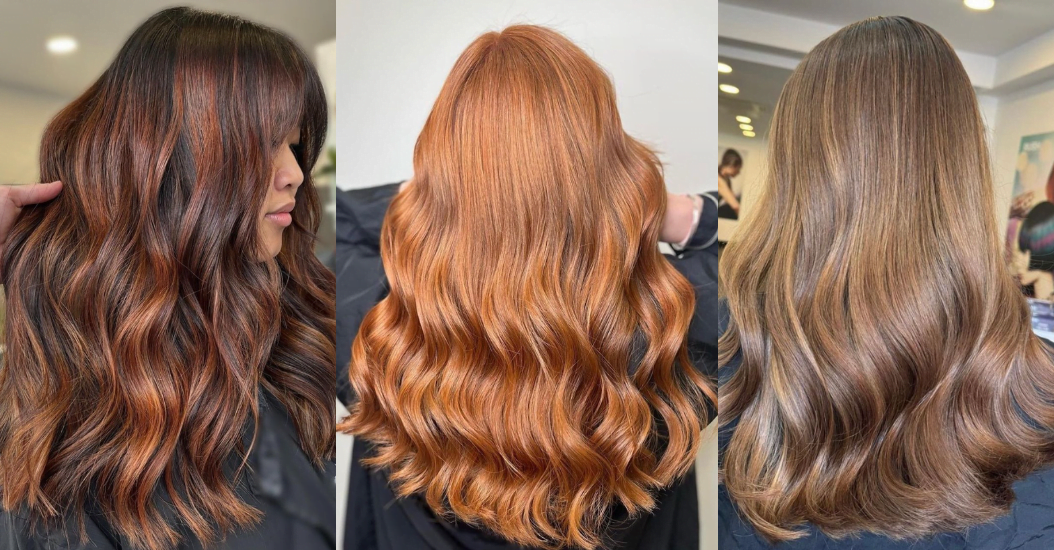
Updating your hair colour can be a simple way to add the appearance of depth and dimension, which can help hair look fuller. Subtle highlights, lowlights, or gentle tonal variations catch the light differently across strands, creating the illusion of thickness and movement without changing your natural hair texture.
Even small adjustments, like soft balayage or face-framing pieces, can make hair feel more dynamic and voluminous. While colour doesn’t stop shedding or alter hair growth, these techniques are often an effective, confidence-boosting way to enhance your hair’s overall look while it recovers from postpartum thinning.
Thickening Treatments and Styling Products
Volumising treatments and styling products can be a helpful way to make thinning hair feel fuller and more manageable. Lightweight mousses, sprays, and root-lifting products add body and texture without weighing hair down, making it easier to style and giving the appearance of extra volume.
When choosing products, it’s important to prioritise scalp comfort and gentle formulas, especially during the postpartum period when hair and scalp may be more sensitive. While these treatments don’t promote new hair growth, they are often very effective for improving manageability, boosting confidence, and helping hair look thicker while it naturally recovers from shedding.
Styling Tricks & Accessories
Simple styling tricks and accessories can make a big difference when hair feels thinner after pregnancy. Techniques like gentle teasing at the roots, soft waves, or curling the ends can add lift and movement, helping hair appear fuller without putting stress on the strands.
Accessories such as clips, headbands, scarves, or hairpins can also create volume, distract from sparser areas, and add a polished finish to your look. These approaches are easy to try at home and often provide an instant boost in confidence, allowing you to style your hair creatively while it naturally recovers from postpartum shedding.
Supporting Hair Regrowth After Pregnancy
Supporting your hair as it recovers after pregnancy is about nurturing both your scalp and your overall wellbeing. Gentle scalp care, like massaging with your fingertips or using nourishing at-home treatments such as coconut oil masks, can help keep the scalp healthy and create a supportive environment for hair as it grows back.
Some people choose to include biotin or other hair-supportive supplements as part of a balanced routine. While these can be helpful for overall hair strength, they should be seen as supportive rather than a guaranteed solution.
Rest, a nutritious diet, and a consistent hair care routine play an equally important role. Adequate sleep, balanced meals rich in protein, vitamins, and minerals, and gentle daily care all help hair look and feel healthier, making the regrowth phase smoother and more manageable.
When to Seek Professional or Medical Advice
While postpartum hair shedding is usually temporary and normal, there are times when seeking professional or medical advice can be helpful. Signs that may warrant further attention include patchy hair loss, shedding that continues well beyond the typical six to twelve-month period, or any scalp irritation, redness, or discomfort.
If you notice these issues, consulting a healthcare professional or a hair specialist can provide reassurance, help identify any underlying causes, and guide you toward appropriate care. Even when shedding is expected, expert advice can give tailored support and practical solutions to manage your hair with confidence.
Professional Hair Support at Rush Hair
Post-pregnancy hair changes can feel overwhelming and deeply personal, and it’s completely normal to want guidance on how to manage them. At Rush Hair, we offer professional, consultation-led services designed to help you feel confident in your hair again.
Whether you’re looking to improve fullness, explore flattering cuts and colours, or simply make daily styling easier and more comfortable, our team can provide personalised advice and practical solutions tailored to your needs. Book an in-salon appointment today and let Rush Hair support you in restoring your hair’s appearance, manageability, and confidence, every step of the way.
FAQ's
How long does postpartum hair loss last?
Postpartum hair loss typically begins around 2-4 months after giving birth, as the hairs that were held in the growth phase during pregnancy start to shed. For most women, shedding peaks a few months in and then gradually slows as the hair cycle readjusts.
Can diet influence postpartum hair loss?
Yes, diet can influence postpartum hair health, though it’s usually just one piece of the puzzle. After pregnancy, your body has higher nutritional demands, especially if you’re breastfeeding. Hair growth relies on nutrients like protein, iron, zinc, vitamins (particularly B vitamins like biotin), and healthy fats, so deficiencies or low intake can make hair more fragile or contribute to thinning.
Will my hair return to its previous thickness?
For most women, yes hair typically returns to its pre-pregnancy thickness over time. Postpartum shedding is usually temporary, caused by the natural reset of the hair growth cycle after the drop in pregnancy hormones. Once your hormones stabilise and new hairs grow in, the hair often regains the fullness and density it had before pregnancy.
Can breastfeeding affect hair shedding?
Yes, breastfeeding can influence hair shedding, but usually in an indirect way. During pregnancy, high levels of oestrogen keep more hair in the growth phase, and after birth, the drop in these hormones triggers the typical postpartum shedding. Breastfeeding itself doesn’t directly cause hair loss, but it can affect the timing and experience of shedding because it prolongs certain hormonal adjustments.