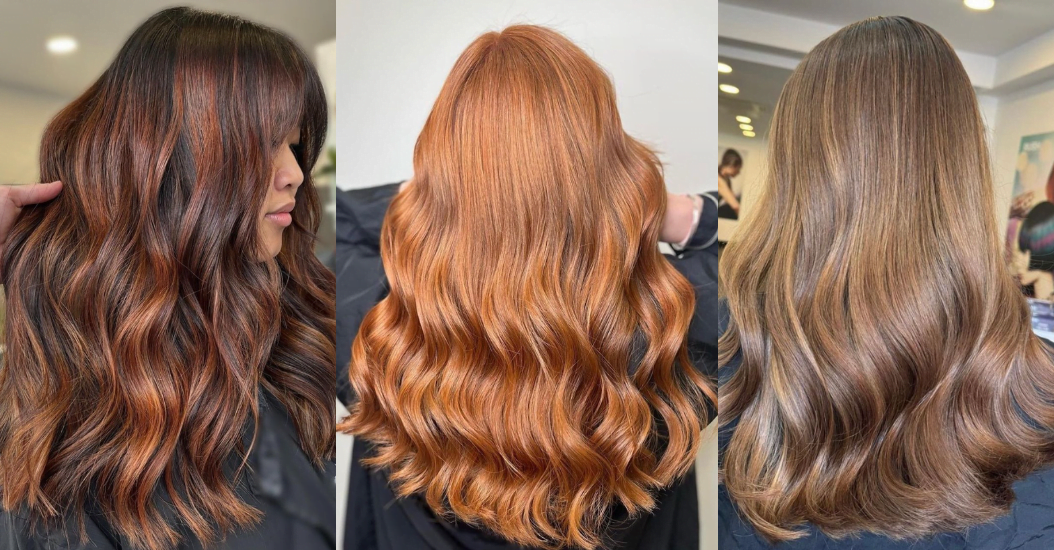
Shiny hair is often seen as the ultimate sign of healthy, well-cared-for hair. It adds polish to any style, enhances colour, and instantly boosts confidence by giving hair a smooth, glossy finish. But achieving shine isn’t just about using the right product; it’s the result of strong hair health combined with how well the hair’s surface reflects light.
At its core, shine comes from smooth, well-sealed cuticles and balanced hydration. When the hair cuticle lies flat, light reflects evenly across the strand, creating that glossy, healthy-looking effect. When cuticles are rough, dry, or damaged, hair appears dull and lifeless instead.
The good news is that shiny hair is absolutely achievable at home with the right routine and product choices. However, professional treatments and expert techniques can significantly enhance results, especially if hair is colour-treated, heat-styled, or prone to dryness. While genetics and hair type do play a role, hair professionals have proven ways to improve shine across all textures and conditions.
In this guide, we’ll explore what causes hair to lose its shine, how to build a shine-boosting routine, the products that truly work, and professional techniques that take hair gloss to the next level, so you can achieve healthy-looking, radiant hair every day.
What Makes Hair Look Shiny?
Hair shine is all about how light interacts with the surface of the hair. Each strand is covered in tiny overlapping layers called the cuticle. When these cuticles lie flat and smooth, they reflect light evenly, creating a glossy, mirror-like finish. When cuticles are raised or damaged, light scatters instead, making hair appear dull, dry, or frizzy.
There’s also an important distinction between surface gloss and true healthy shine. Surface gloss comes from products that coat the hair, temporarily increasing reflection. True shine, however, comes from hair that is well-hydrated, strong, and protected from damage. The best results come from combining both: healthy hair underneath, enhanced with the right finishing products.
Moisture and oil balance play a major role in shine. Hair that’s too dry lacks smoothness, while hair overloaded with heavy oils or products can look greasy rather than glossy. Damage from heat styling, chemical treatments, or environmental stress weakens the cuticle, making it harder for hair to reflect light evenly.
Hair type also affects how shine appears. Fine hair often reflects light easily but can lose shine quickly if over-styled or over-washed. Coarser hair may need more moisture to achieve the same reflective finish. Straight hair tends to look shinier because light travels smoothly along the strand, while curly or textured hair naturally diffuses light due to bends in the hair fibre. Frizz further disrupts light reflection, which is why controlling frizz is key to boosting shine across all hair types.
Is Your Hair Healthy Enough to Be Shiny? How to Know
Before you can boost shine, it’s important to understand the current condition of your hair. Healthy hair naturally reflects light, feels smooth, and has a consistent texture along the strand.
Here’s how to assess your hair at home:
Visual cues: Look for uneven reflection, dullness, or frizz. Hair that struggles to reflect light across the surface may be dry, damaged, or lacking cuticle smoothness.
Texture cues: Run your fingers along the lengths and ends. Rough, brittle strands or split ends interrupt light reflection, while smooth strands appear glossy and feel soft to the touch.
Damage vs dryness: Dry hair may feel stiff or straw-like, but can sometimes improve quickly with hydration and moisture-focused products. Damage from heat, chemical treatments, or environmental factors often causes breakage, split ends, and permanent cuticle roughness, making shine harder to achieve without professional intervention.
Natural shine vs product-coated shine: Temporary shine from oils, serums, or gloss sprays can look impressive but may mask underlying hair health issues. True, long-lasting shine comes from a combination of healthy hair structure and consistent care.
Signs your hair may need extra attention:
- Hair that looks dull even after washing and conditioning
- Persistent frizz or rough ends
- Uneven gloss despite using shine-enhancing products
If your hair falls into any of these categories, a professional assessment can make a significant difference. Book a personalised consultation at your local Rush Hair salon to get expert advice, tailored treatments, and a cut or style that maximises your hair’s natural shine.
A Step-by-Step Hair Care Routine for Shiny Hair
Shiny hair starts with the right routine. Small changes in washing and styling habits can make a big difference in how healthy and reflective your hair looks.
Washing Your Hair for Shine
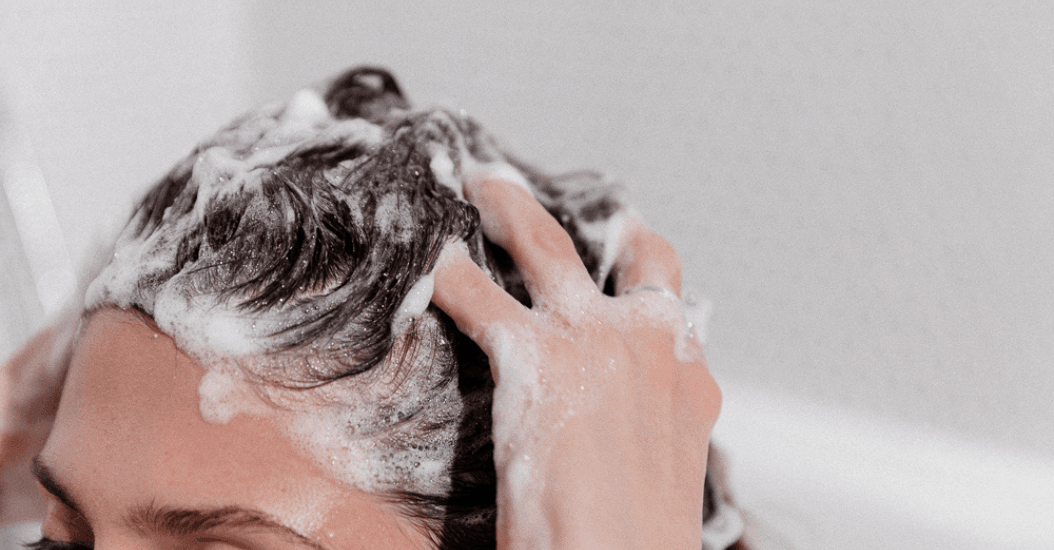
The foundation of glossy hair begins in the shower. Water temperature matters: lukewarm water is ideal, as very hot water can strip natural oils and roughen the cuticle, leaving hair dull.
How often you wash your hair also depends on your hair type:
- Fine or oily hair: 2–3 times per week may be necessary to avoid limpness and grease.
- Thicker, dry, or textured hair: 1–2 times per week is often enough to preserve natural oils and prevent dryness.
Overwashing is a common cause of dull hair, as it removes protective oils that help
hair reflects light naturally. In regions with hard water, mineral buildup can leave hair looking flat and lifeless; using a chelating or clarifying shampoo occasionally can help maintain shine.
Styling Practices That Enhance Shine
The way you style your hair has a direct impact on how glossy it appears. When blow-drying, always direct air down the cuticle (from roots to ends) to smooth the hair surface and enhance natural reflection. Finishing with a cool shot locks the cuticle in place, sealing in shine.
Using tools with ionic or ceramic technology can also help. Ionic dryers reduce static and frizz, while ceramic styling tools distribute heat evenly, preventing damage that dulls hair over time.
By combining careful washing with smart styling techniques, your hair is set up to reflect light naturally, leaving it smooth, healthy-looking, and glossy.
Natural & At-Home Ways to Boost Hair Shine
While professional treatments can deliver instant results, there are several safe, effective ways to support shiny hair at home. These habits help improve hair health over time, rather than providing quick fixes.
Cold Water Rinse: After washing, finish with a cool water rinse. This helps seal the cuticle, smoothing the hair surface and enhancing natural reflection.
Light Oils in Moderation: Using lightweight oils such as argan or coconut can add softness and subtle shine. Apply sparingly to the mid-lengths and ends to avoid weighing hair down.
Avoid Heavy Masks: Thick, dense home treatments can leave hair flat and greasy. Choose gentle, nourishing masks when needed, and use them sparingly.
Hydration & Diet: Long-term hair health starts from within. Adequate water intake and a diet rich in protein, vitamins (B, D, E), and minerals like zinc and iron help maintain healthy, glossy hair.
Steer Clear of Unsafe or Viral “Hacks”: Not all at-home methods seen online are safe or effective. Avoid harsh treatments, excessive heat, or DIY chemicals that can damage the cuticle and make hair duller over time.
Remember, these strategies are long-term contributors to healthy, shiny hair. Consistency in gentle care, hydration, and proper nutrition builds a strong foundation for hair that looks glossy and feels healthy every day.
Common Causes of Dull Hair: Mistakes That Stop Hair from Shining
Even with the best intentions, certain habits and environmental factors can prevent your hair from reaching its full glossy potential. Understanding these common causes helps you avoid them and maintain healthy, reflective hair.
Overuse of Dry Shampoo: While dry shampoo is convenient, excessive use can leave residue on the scalp and hair, weighing strands down and creating a dull, lifeless appearance.
Overwashing: Washing too frequently strips hair of natural oils that smooth the cuticle and contribute to shine. Lukewarm water and moderate washing are key.
Skipping Conditioner: Conditioner replenishes moisture and smooths the cuticle. Skipping it leaves hair rough, frizzy, and less reflective.
Product Build-Up: Minerals from hard water or layers of silicones, heavy serums, and styling products can accumulate on the hair shaft, reducing light reflection and leaving hair looking flat.
Heat Damage: Frequent use of flat irons, curling tools, or blow-dryers at high temperatures can roughen the cuticle, leading to dryness, breakage, and diminished shine.
Environmental Stress: Sun exposure, pollution, and harsh weather can damage hair and strip oils, leaving strands brittle and dull.
Dryness and Lack of Hydration: Hair that isn’t adequately moisturised or nourished from within struggles to reflect light, even with products applied on the surface.
Rough Handling: Aggressive brushing, towel-drying, or detangling can lift the cuticle and create frizz, preventing smooth light reflection.
By recognising these pitfalls, you can adjust your routine to protect hair health, preserve cuticle smoothness, and maintain natural shine.
Best Products for Shiny Hair
1. Shine-Enhancing Shampoos
Why does this help to get shiny hair?
Shine-enhancing shampoos gently cleanse hair without stripping natural oils. They smooth the cuticle and remove dulling build-up, allowing light to reflect evenly along the hair shaft. Many also contain ingredients that strengthen hair and maintain moisture balance.
Best-suited hair type:
- Hair thickness: Fine to medium hair that loses shine easily
- Hair texture: Straight, wavy, or loosely curly hair
- Not ideal for: Very dry, coarse, or tightly coiled hair unless paired with a rich conditioner
Variations based on effort and time:
- Low effort: Use as your regular shampoo 2–3 times per week
- Medium effort: Follow with a smoothing conditioner and finish with a cool-water rinse
- Higher effort: Pair with a weekly clarifying or gloss treatment to maximise shine
Ingredients to look for:
- Lightweight silicones (e.g., dimethicone) for smoothness
- Glycerin or panthenol for hydration
- Amino acids to support hair strength
- Avoid harsh sulphates if hair is colour-treated or dry
Hair-type considerations:
- Fine hair benefits from lightweight formulas that won’t weigh it down
- Colour-treated hair should choose sulphate-free options
- Curly hair may need additional moisture post-wash
2. Conditioners for Shine
Why does this help to get shiny hair?
Conditioners smooth the cuticle, replenish moisture, and reduce friction, leaving hair soft and reflective. They complement shine shampoos to lock in hydration and prevent dullness.
Best-suited hair type:
- All hair types, with richer formulas for coarse or curly hair
- Lightweight conditioners for fine hair to avoid flattening strands
Variations based on effort and time:
- Low effort: Apply mid-lengths to ends after every wash
- Medium effort: Leave on for 2–3 minutes for deeper hydration
- Higher effort: Weekly deep-conditioning mask or treatment for maximum shine
Ingredients to look for:
- Natural oils (argan, jojoba, coconut)
- Hydrolysed proteins for strengthening
- Panthenol for moisture retention
Hair-type considerations:
- Fine hair: choose lightweight, rinse-out formulas
- Coarse or curly hair: richer, more emollient conditioners
- Colour-treated hair: sulphate-free, colour-safe options
3. Leave-In Treatments
Why does this help to get shiny hair?
Leave-in treatments protect hair between washes, detangle, and add moisture without weighing hair down. They also shield hair from heat and environmental stress that dulls shine.
Best-suited hair type:
- Fine, medium, or thick hair that requires added hydration or protection
- All textures, from straight to curly
Variations based on effort and time:
- Low effort: Light spray or cream applied to damp hair after washing
- Medium effort: Massage through lengths and ends for even distribution
- Higher effort: Combine with heat protectant for styling
Ingredients to look for:
- Lightweight oils (argan, grapeseed)
- Hydrolysed proteins
- Panthenol and glycerin for moisture balance
Hair-type considerations:
- Fine hair: lightweight sprays to avoid flatness
- Curly hair: richer leave-ins can define texture while adding shine
4. Shine Serums vs Oils
Why does this help to get shiny hair?
Shine serums and lightweight oils coat the hair shaft, smoothing the cuticle and enhancing light reflection. Serums are typically lighter and ideal for fine hair, while oils provide extra nourishment for thicker or coarse textures.
Best-suited hair type:
- Serums: fine to medium hair, straight to wavy
- Oils: medium to thick hair, curly or coarse
Variations based on effort and time:
- Low effort: Apply a small amount to mid-lengths and ends daily
- Medium effort: Use pre-styling or post-styling for shine and frizz control
- Higher effort: Combine with heat protection and styling for a polished finish
Ingredients to look for:
- Silicone-based or lightweight oils (argan, marula)
- Natural extracts for gloss and smoothness
Hair-type considerations:
- Fine hair: avoid heavy oils that weigh down strands
- Curly/coarse hair: use oils to hydrate and define texture
5. Heat Protectants
Why does this help to get shiny hair?
Heat protectants form a barrier against high temperatures, preventing cuticle damage that reduces shine. Many also add light-reflecting ingredients to enhance gloss.
Best-suited hair type:
- All hair types and textures, especially colour-treated or chemically processed hair
Variations based on effort and time:
- Low effort: Spray or cream applied before any heat styling
- Medium effort: Combine with blow-drying for root lift and smoothness
- Higher effort: Use with styling tools and finishing serums for maximum polish
Ingredients to look for:
- Thermal protectors (silicones, hydrolysed proteins)
- Lightweight oils or shine-boosting polymers
Hair-type considerations:
- Fine hair: lightweight sprays to avoid limpness
- Thick/coarse hair: creams or oils for smoothing and gloss
6. Glossing Products
Why does this help to get shiny hair?
Glossing sprays, serums, or shine mists enhance reflection immediately by coating the hair shaft. They can be used as a finishing touch for polished styles or to refresh hair between washes.
Best-suited hair type:
- All hair types, though fine hair may prefer lightweight formulas
- Coarse or curly hair can benefit from richer gloss sprays or oils
Variations based on effort and time:
- Low effort: Quick spritz over dry hair for instant shine
- Medium effort: Use after styling for a smooth, reflective finish
- Higher effort: Layer with serums and oils for maximum glossy effect
Ingredients to look for:
- Lightweight silicones
- Natural oils for gloss and smoothness
Hair-type considerations:
- Fine hair: avoid heavy, sticky sprays
- Curly/coarse hair: richer gloss can reduce frizz and enhance shine
Professional Treatments for Enhanced Shine
While a great at-home routine lays the foundation for glossy hair, professional treatments can enhance shine and polish your look. These solutions are designed to complement your routine, not replace it, giving hair that extra level of smoothness, reflection, and healthy finish.
Gloss Treatments:
Glossing treatments add a light-reflecting layer to the hair, improving shine instantly while smoothing the cuticle. They’re perfect for refreshing dull hair between colour appointments or boosting natural shine without altering tone.
Deep Conditioning Treatments:
Professional deep-conditioning treatments penetrate the hair shaft, restoring hydration, repairing damage, and reducing frizz. Hair feels softer, looks healthier, and shines naturally from within.
Professional Blow-Dries:
A Rush stylist can expertly smooth the cuticle during blow-drying, using techniques like root lift, directional airflow, and cool shots to lock in shine. Professional tools also ensure heat is applied safely, preventing damage that dulls hair.
Colour Glossing (Where Relevant):
If your hair is coloured, a professional colour gloss enhances vibrancy and shine. It nourishes hair, seals the cuticle, and adds a reflective finish, making colour-treated hair look luminous and healthy.
Book with Confidence:
For hair that truly glows, book a professional hair treatment at your local Rush salon. Our stylists tailor treatments to your hair type, condition, and lifestyle, helping you achieve maximum shine while keeping hair healthy and strong.
Nutrition & Lifestyle for Naturally Shiny Hair
Healthy, glossy hair doesn’t start on the outside; it begins from within. Focusing on long-term hair health, rather than quick cosmetic fixes, ensures your shine is sustainable and your strands are strong.
Vitamins and Nutrients:
A balanced diet rich in key vitamins and minerals supports hair strength, growth, and natural shine:
- Biotin: Strengthens hair and reduces breakage
- Omega-3 fatty acids: Nourish hair follicles and promote smooth cuticles
- Iron and zinc: Support healthy hair growth and reduce dullness
Hydration:
Adequate water intake keeps hair hydrated from root to tip, helping strands maintain elasticity, softness, and light-reflecting smoothness. Dehydration often leads to brittle, dull hair.
Stress and Sleep:
High stress levels and poor sleep can disrupt hair growth and scalp health, contributing to dry, lacklustre strands. Prioritising rest, relaxation, and stress-management practices helps hair look naturally healthy and glossy.
Realistic Timelines for Results:
Hair health improvements take time, typically 6–12 weeks to notice visible changes in shine and texture. Consistency with nutrition, hydration, and healthy lifestyle habits, alongside proper hair care, produces long-lasting results.
By supporting hair from the inside out, you’re giving it the best chance to look glossy, healthy, and naturally radiant every day.
Book an Appointment for Expert Shine Advice
If your hair feels flat, dull, or lacks natural shine, it could be due to dryness, damage, or product build-up, and it can be tricky to know the best way to fix it at home. At Rush Hair, our trained stylists assess your hair’s condition and provide personalised advice tailored to your hair type, texture, and lifestyle.
Whether you need a nourishing treatment, a shine-boosting cut, or guidance on products and styling techniques, Rush experts are here to help your hair look and feel its healthiest.
Find your nearest Rush Hair salon and book an appointment today for personalised hair care and professional shine-enhancing treatments. Let our team help you achieve glossy, radiant hair you can feel confident about every day.
FAQ's
Can you get shiny hair without products?
Yes. Natural shine comes from healthy hair cuticles and proper hydration. A good routine of gentle washing, conditioning, and protecting hair from heat and damage can enhance shine without relying solely on products. However, lightweight serums, oils, and shine sprays can help maximise the reflective finish.
How long does it take to improve hair shine?
Improvements in shine are usually gradual, typically noticeable after 6 – 12 weeks of consistent care. This includes proper hydration, nutrition, healthy styling habits, and damage prevention. Professional treatments can provide an immediate boost, but long-term shine requires ongoing maintenance.
Will brushing my hair make it shinier?
Gentle brushing can distribute natural oils from the scalp along the hair shaft, adding some shine. However, over-brushing or using harsh tools can lift the cuticle, cause breakage, and reduce shine. Always use a soft-bristle brush or a wide-tooth comb for detangling.
Can diet affect hair shine?
Absolutely. Hair health starts from within. A diet rich in protein, biotin, vitamins, and minerals supports strong, smooth hair cuticles, which reflect light more evenly. Hydration also plays a key role in maintaining glossy, healthy-looking hair.
Is shiny hair healthy hair?
Generally, yes, healthy hair reflects light because the cuticle lies flat and is well-hydrated. However, shine alone isn’t a complete indicator of hair health; temporary shine from heavy oils or products can mask underlying dryness or damage. True shine comes from strong, nourished hair combined with proper care.