Many people expect their hair to become thicker and fuller during pregnancy. However, some may instead notice increased shedding or thinning, which can be worrying – especially when you’re experiencing other physical changes. Hair changes during pregnancy are often linked to hormonal shifts, along with factors such as nutrition and overall wellbeing. The good news is that these changes are usually temporary and can often be managed with the right care routine. This guide explains why hair loss can occur during pregnancy, the factors that influence hair health, safe ways to care for your hair, and when it may be helpful to seek professional advice.
How Pregnancy Can Change Your Hair
Pregnancy hormones can influence the way your hair looks and behaves. Rising levels of hormones such as oestrogen and progesterone can affect how long hair remains on the scalp and how actively follicles produce new strands. For many people, this can make hair appear thicker, fuller, or shinier during pregnancy. However, hormonal changes can also alter scalp oil production and sensitivity, which may lead to hair feeling drier, greasier, or more fragile than usual. Because every pregnancy is different, these shifts in hair texture, volume, and manageability can vary from person to person.
Hormonal Changes and Hair Growth
Hormonal changes during pregnancy can significantly influence how hair grows and behaves. Increased levels of hormones, such as oestrogen and progesterone, can affect hair growth and shedding patterns, which is why many people notice their hair feeling thicker, fuller, or shinier during pregnancy. These hormones can also influence hair texture, scalp oil production, and the rate at which hair grows. For some, hair may feel smoother and more manageable, while others may notice increased oiliness, dryness, or subtle texture changes. As with many pregnancy-related changes, these effects vary widely between individuals.
Why Some People Experience Hair Thinning During Pregnancy
Although many people notice thicker hair during pregnancy, some may experience increased shedding or mild thinning. Several factors can contribute to these changes. Pregnancy increases the body’s demand for key nutrients, and lower levels of nutrients linked to hair health – such as iron, vitamin D, zinc, and protein – may sometimes play a role in hair thinning. Hormonal and thyroid changes can also influence hair growth; conditions such as Hypothyroidism or Hyperthyroidism may affect how hair grows and sheds, which is why it’s important to consult your doctor if persistent thinning occurs. In some cases, changes in hormonal medications before pregnancy, such as starting or stopping birth control, can also alter normal shedding patterns and temporarily influence how the hair growth cycle behaves.
Supporting Healthy Hair During Pregnancy
Supporting healthy hair during pregnancy often starts with simple, gentle care habits. Reducing physical stress on the hair can help minimise breakage, so it can be helpful to limit excessive heat styling, brush hair carefully, and avoid very tight hairstyles that place tension on the scalp. Maintaining a healthy scalp environment is also important; practices such as gentle scalp massage, hydrating treatments, and lightweight conditioning products can help keep both the scalp and hair comfortable. During pregnancy, many people choose simpler, gentler haircare products, including lightweight conditioners and scalp-friendly formulas. Alongside haircare routines, lifestyle factors also play a role in overall hair health – prioritising good sleep, staying hydrated, managing stress, and maintaining balanced nutrition can all support wellbeing during pregnancy.
How to Care for Your Hair if It Feels Thinner During Pregnancy
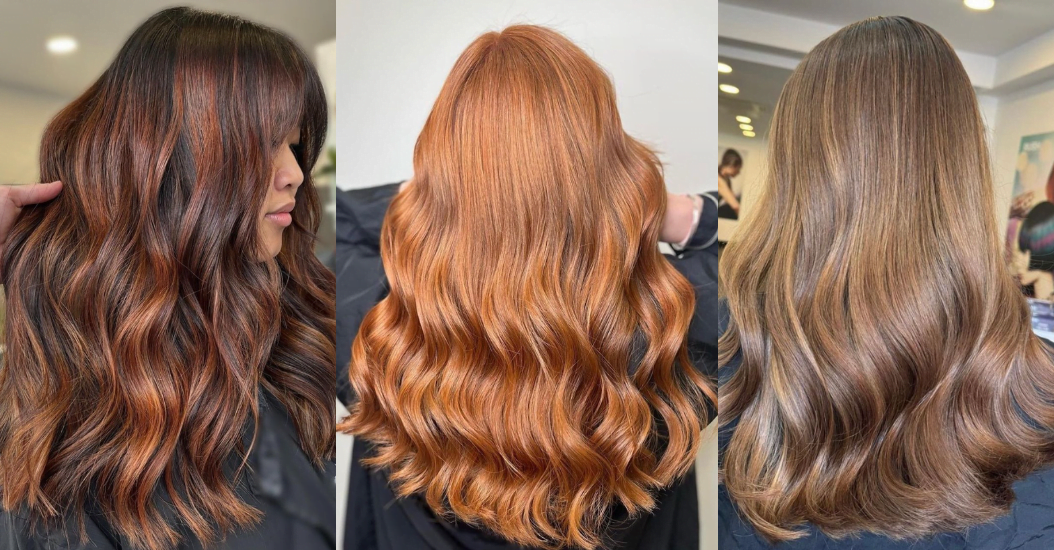
If your hair feels thinner during pregnancy, small styling changes can help it appear fuller and more balanced. The shape of a haircut can make a noticeable difference – blunt cuts can create the illusion of thicker hair, while soft layers can add gentle movement without removing too much weight. Some people also find that slightly shorter styles help hair look thicker and easier to manage. Styling techniques can also help enhance volume, such as changing your parting, using lightweight volumising products, or blow-drying with techniques that lift the roots. Subtle colour techniques may also help create the illusion of fuller hair; highlights or balayage can add dimension and contrast, which can make hair appear thicker overall.
Professional Hair Support At Rush Hair
Your hair changing throughout pregnancy can sometimes affect your confidence, but getting a professional consultation can help you feel more comfortable with your hair. At Rush Hair, stylists offer personalised consultations to understand your hair concerns and recommend suitable solutions, including haircut adjustments, styling advice, product recommendations or scalp care guidance. Book an appointment at your nearest Rush salon for a personalised hair-care consultation today.
FAQ's
Is hair loss during pregnancy normal?
Yes, while many people notice thicker hair, some may experience mild shedding or thinning due to hormonal changes during pregnancy.
Can vitamin deficiencies cause hair loss in pregnancy?
Low levels of nutrients such as iron, vitamin D, zinc, or protein can sometimes contribute to hair thinning during pregnancy.
When does hair loss after pregnancy usually start?
Post-pregnancy shedding often begins around 2–4 months after birth as hormone levels begin to return to their usual balance.