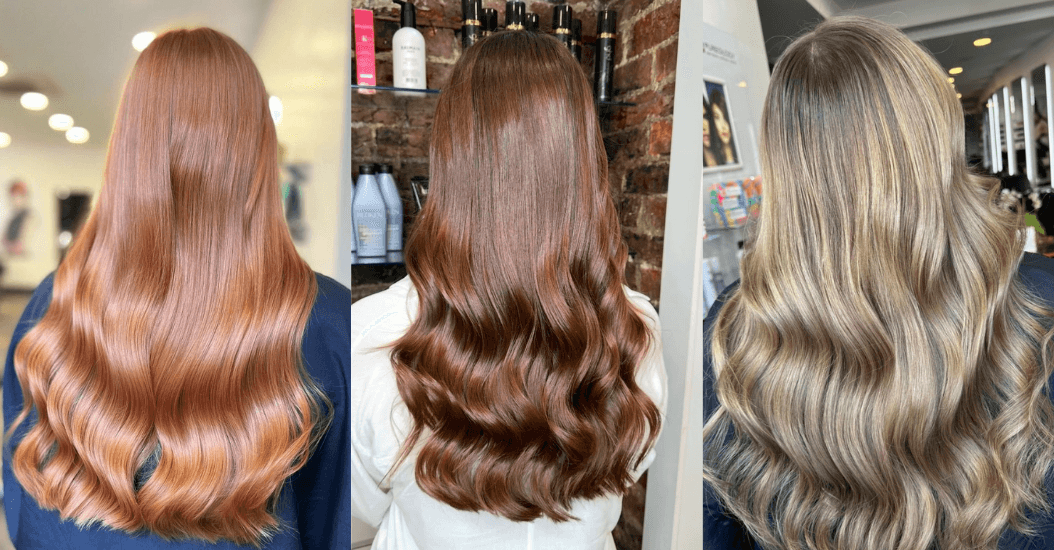
Split ends are one of the most common hair concerns, affecting both the look and health of your hair. They occur when the protective outer layer of the hair shaft wears down, causing the strand to split, often leaving hair looking frayed, dry, and difficult to style.
Beyond the cosmetic impact, split ends can weaken your hair and lead to breakage if left untreated. Let’s be honest, they can be incredibly frustrating, especially when you’re trying to grow your hair or maintain a sleek and refined look.
The only truly permanent solution is a professional trim. However, with the right care and preventative strategies, it’s possible to minimise split ends and keep hair healthier for longer.
At Rush, our expert stylists are here to help. From professional treatments to everyday care tips, we provide trusted advice to protect your hair and maintain its strength and shine.
In this guide, we’ll walk you through everything you need to know about what causes split ends, what actually works versus common myths, how to prevent them, and the professional treatments that really make a difference.
What Causes Split Ends?
Split ends happen when the hair shaft becomes damaged, causing the protective cuticle, the outer layer of the hair, to lift, fray, or break. Once the cuticle is compromised, the hair strand weakens, and the split can travel up the hair if left untreated. Understanding why they occur can help you prevent and manage them effectively.
Types of Split Ends
- Y-Split: The most common type, where the hair simply splits into two.
- Feathering: The strand begins to fray along the length, creating a soft, feathery appearance.
- Tree-like Splits: More severe, where multiple branches split off the main strand, often due to prolonged damage.
Biological and Lifestyle Causes
- Heat Styling Damage: Frequent use of straighteners, curling irons, or blow dryers can weaken the hair cuticle, making it more prone to splitting.
- Mechanical Stress: Brushing, combing, or towel-drying aggressively can cause friction that frays the hair shaft.
- Chemical Processes: Colouring, bleaching, or perming can strip hair of moisture and disrupt the cuticle, increasing the risk of split ends.
- Environmental Factors: Sun exposure, salt water, chlorine, and even everyday stress can contribute to hair becoming dry and brittle.
- Daily Wear and Tear: Simple things like friction from clothing, hats, or pillowcases, combined with the natural ageing of hair, can gradually create splits.
By understanding how split ends develop, from internal hair structure to external stresses, you can start to take targeted steps to protect your hair and maintain its health.
How to Tell If You Have Split Ends
Spotting split ends early can help prevent further damage and keep your hair looking healthy. Here’s what to look out for:
Visual Signs
- Frayed or ragged tips at the ends of your hair.
- White dots or tiny bubbles along the hair shaft, which indicate a break in the cuticle.
- Uneven texture or strands that don’t lie smoothly.
Texture Cues
- Rough or coarse ends when you run your fingers down your hair.
- Increased tangling at the tips, especially after brushing or washing.
How Split Ends Differ from Dryness:
While dry hair can feel brittle, the ends remain intact. Split ends, on the other hand, are actual breaks in the hair shaft and can continue to split further up the strand if left untreated.
Simple Checks You Can Try
- Twist Test: Gently twist a small section of hair. If you notice splits or fraying along the strand, it’s likely split ends rather than just dryness.
- Magnifying Glass: Using a magnifying glass can help you see tiny splits more clearly, especially if your hair is fine.
Recognising the signs early allows you to take the right steps to protect your hair and prevent further damage.
Can You Really Get Rid of Split Ends Without Cutting?
The short answer? Trimming is the only permanent way to get rid of split ends. Once a hair strand splits, there’s no way to fully repair it without cutting; the damage will continue to travel up the hair shaft.
That said, there are professional products and treatments that can temporarily improve the appearance of split ends. Bonding or sealing treatments, for example, coat the hair shaft to smooth frayed ends, add shine, and reduce tangling. While these methods can make hair look healthier and feel softer, they don’t actually repair the underlying damage; they are cosmetic solutions, not permanent fixes.
At Rush, our stylists use these treatments as part of a broader haircare approach, helping hair look and feel its best between trims. Understanding the limits of these products ensures you make informed choices and protect your hair’s long-term health.
How to Prevent Split Ends
Gentle Handling & Brushing Habits
Preventing split ends is all about reducing damage and treating your hair gently. By adopting mindful habits, you can help your hair stay stronger, smoother, and healthier for longer.
Gentle Handling & Brushing Habits
- Choose the right tools: Use soft, gentle brushes or wide-tooth combs to minimise friction and stress on the hair.
- Avoid brushing wet hair: Hair is more fragile when wet, so brushing immediately after washing can cause breakage and splits.
- Detangle carefully: Start from the ends and work your way up to the roots to gently remove knots without pulling or breaking strands.
Adopting these simple brushing and handling habits can make a noticeable difference in preventing split ends and maintaining smooth, healthy hair.
Heat Styling Strategy
Heat styling can be a major contributor to split ends if not managed carefully. Here’s how to protect your hair while still enjoying your favourite styles:
- Limit heat tool usage: Reduce the frequency of straighteners, curling tongs, and hairdryers to minimise stress on the hair.
- Always use a heat protectant: Apply a protective spray, serum, or cream before styling to shield hair from high temperatures.
- Keep settings moderate: Use the lowest effective temperature, around 180°C, which is ideal for most hair types, to prevent excessive damage.
- Air-dry when possible: Letting your hair dry naturally, or partially air-drying before styling, reduces the amount of direct heat your hair is exposed to.
By following these simple strategies, you can enjoy styling your hair while keeping it stronger, smoother, and less prone to split ends.
Hydration & Conditioning
Keeping hair well-hydrated is key to preventing split ends and maintaining overall hair health. Here are some tips on how to care for your strands:
- Condition every wash: Apply conditioner after shampooing to replenish moisture and smooth the hair cuticle.
- Focus on mid-lengths and ends: These areas are the most prone to dryness and damage, so concentrate your conditioner here rather than the roots.
- Weekly hair masks: Treat your hair to a deep-conditioning mask once a week to boost hydration and strengthen strands.
- Leave-in treatments: Consider using leave-in conditioners or targeted treatments on the ends to provide extra protection and reduce fraying.
Consistently hydrating and conditioning your hair keeps it soft, manageable, and far less likely to develop split ends.
Night-Time Hair Care
How you care for your hair overnight can make a real difference in preventing split ends and keeping strands healthy. Simple adjustments before bed can protect your hair while you sleep:
- Silk or satin pillowcases: These reduce friction compared with cotton, helping hair glide smoothly and preventing fraying.
- Gentle updos: Loose buns, soft plaits, or twists keep hair contained, minimise tangling, and reduce breakage at the ends.
Incorporating these small nighttime habits helps maintain smoother, stronger hair and keeps split ends at bay.
Diet & Lifestyle
Healthy hair starts from within. A balanced diet rich in nutrients plays a key role in keeping hair strong, shiny, and less prone to split ends.
- Protein: Hair is made of keratin, a type of protein, so including lean meats, fish, eggs, or plant-based proteins helps support hair structure.
- Vitamins and minerals: Vitamins A, C, D, E, zinc, iron, and biotin all contribute to hair strength and growth.
- Healthy fats: Omega-3s found in fish, nuts, and seeds help maintain scalp health and moisture balance.
- Hydration: Drinking enough water is essential to keep hair hydrated from the inside out.
A well-nourished body provides the foundation for strong, resilient hair, reducing the likelihood of split ends and breakage.
Everyday Hair Care Habits That Make a Difference
Small daily habits can have a big impact on preventing split ends and keeping hair looking healthy.
- Towel-dry gently: Avoid rough rubbing, which can fray the hair cuticle. Instead, gently squeeze or pat your hair with a soft towel or microfiber cloth.
- Wash frequency matters: Tailor washing to your hair type; fine hair may need more frequent washes, while coarser or drier hair benefits from less frequent washing to retain natural oils.
- Ends-first conditioning: Apply conditioner starting at the mid-lengths and working down to the ends, where hair is most vulnerable to damage.
- Consider your hair type: Fine hair is more prone to breakage, so gentle handling is essential, whereas coarse or curly hair may need extra moisture and protection to prevent frizz and split ends.
By following these everyday care habits, you can maintain healthier hair and reduce the risk of split ends over time.
What to Do When You Already Have Split Ends
Once split ends appear, there’s no way to truly repair them; the damage has already affected the hair shaft. The only permanent solution is to remove them through a professional trim.
While treatments and serums can temporarily smooth frayed ends and improve the hair’s appearance, they cannot restore the hair strand itself. The earlier you address split ends, the less likely the damage is to travel up the hair, helping you maintain healthier, stronger locks.
Regular trims, combined with preventive care, are the most effective way to manage split ends and keep your hair looking its best.
The Solution – Get a Trim
The most effective way to deal with split ends is simple: get a professional trim. Trimming removes the damaged ends, preventing the split from travelling further up the hair shaft and causing more breakage.
A common myth is that cutting hair will stop it from growing, but this isn’t true. Trims don’t affect the roots or growth rate; instead, they protect the hair you already have, allowing it to grow healthier and stronger without breaking. Think of it as prioritising growth over breakage: by removing damaged ends, you reduce breakage, which ultimately helps your hair retain length and maintain a smooth, polished look.
Regular trims, combined with the right care at home, are the key to keeping your hair in top condition. Book your trim with us at your nearest Rush to keep split ends under control and hair looking its healthiest.
Professional Bond-Repair Treatments
For split ends that need extra attention between trims, professional bond-repair treatments can help improve the strength and appearance of your hair. At Rush, we offer Fusio-Dose treatments, which are designed to repair and reinforce the hair’s internal bonds, leaving it smoother, stronger, and more resilient.
Bond-repair treatments work by targeting weakened areas within the hair shaft, helping to restore structure and reduce breakage. While they can’t permanently fix split ends, they temporarily strengthen and smooth hair, making it more manageable and improving overall shine and texture.
Combined with regular trims and a consistent haircare routine, these treatments are a fantastic way to protect hair health and keep it looking its best.
Professional Treatments That Actually Help Reduce Split Ends
Not all treatments and trims are created equal when it comes to tackling split ends. Here’s what works:
- Precision dusting vs full trims: Precision dusting is a targeted technique that removes only the damaged ends without taking off significant length. Full trims remove longer sections, which may be necessary for more extensive damage. Both methods help prevent splits from travelling up the hair shaft.
- Bond-repair treatments: Professional treatments like Fusio-Dose repair weakened hair bonds, smooth frayed ends, and temporarily strengthen hair, making it more resilient to breakage and split formation.
- Why professional cutting matters: A trained stylist can assess hair condition and apply the right technique, ensuring damaged ends are removed while maintaining overall hair shape and health. DIY trimming often misses splits or causes uneven results.
- Recommended trim frequency: Hair type influences how often you should trim. Fine hair may need trims every 6-8 weeks, while coarser or curlier hair can often go 8–12 weeks between appointments, depending on growth and damage levels.
Professional trims and treatments work together to keep hair healthy, strong, and free from split ends while helping you retain the hair length you love.
Temporary Concealing Techniques
While there’s no permanent fix for split ends without a trim, certain styling products can smooth and disguise the appearance of frayed ends between salon visits.
- Light oils and serums: These help coat the hair shaft, reduce frizz, and create a polished, shiny finish.
- Who benefits most: Coloured, chemically treated, or frequently heat-styled hair often shows splits more visibly, so these products are particularly helpful for maintaining a sleek look.
- Temporary solution: Remember, these products don’t repair the hair; they simply improve its appearance until your next professional trim or treatment.
Using these products strategically can help hair look healthier, smoother, and more manageable while you wait for your next salon appointment.
Myths About Split Ends
There’s a lot of misinformation around split ends, so it’s important to separate fact from fiction. Here are some common myths busted:
- “Split ends can heal” – Once a hair strand splits, it cannot repair itself. The only permanent solution is a trim.
- “Oils repair split ends” – Oils can smooth and disguise frayed ends temporarily, but they don’t fix the actual damage.
- “You only need trims once a year” – Waiting too long between trims allows splits to travel up the hair, causing more breakage. Regular trims tailored to your hair type are essential.
- “Expensive shampoo fixes everything” – High-end products can help maintain healthy hair, but no shampoo can reverse split ends. They are best treated with proper haircare routines, trims, and professional treatments.
Understanding these myths helps you make better choices for your hair and ensures you focus on strategies that actually work.
Best Products for Split Ends
While trims are essential, the right products can help protect hair, reduce breakage, and temporarily smooth split ends between salon visits. Here are the main categories to consider:
- Heat protectants: Shield hair from high temperatures during styling and help prevent further splits. Ideal for heat-styled hair of all types.
- Leave-in conditioners: Provide extra moisture and slip, making hair easier to detangle and smoothing the ends. Great for fine, curly, or chemically treated hair.
- Deep conditioning masks: Weekly treatments restore hydration, strengthen hair strands, and reduce fraying. Particularly beneficial for coloured or dry hair.
- Light hair oils or serums: Argan, jojoba, or lightweight smoothing oils coat the hair shaft, tame frizz, and give ends a polished look without weighing hair down. Suitable for most hair types, but especially helpful for coarse, textured, or chemically treated hair.
Choosing products suited to your hair type and needs ensures maximum benefit, helping to keep hair strong, smooth, and looking its best until your next professional trim or treatment.
Maintenance Routine for Strong Hair
Keeping hair healthy and free from split ends requires a consistent care routine. Here’s a simple schedule to follow:
- Weekly deep conditioning: Nourish and strengthen hair with a hydrating mask to reduce dryness and fraying.
- Monthly gentle clarifying: Remove product buildup and impurities without stripping natural oils, helping hair stay soft and manageable.
- Frequent trims: Regular trims, ideally every 8 weeks, prevent split ends from travelling up the hair shaft and maintain hair health.
- Daily handling tips: Be gentle when detangling, avoid brushing wet hair aggressively, and protect hair from heat, friction, and environmental stressors.
Following this routine helps hair stay strong, smooth, and resilient, reducing the risk of split ends while keeping your locks looking their best.
Book an Appointment to Prevent & Manage Split Ends
Don’t wait for split ends to take over, keep your hair healthy, strong, and looking its best with professional care at Rush. Our expert stylists can help remove damaged ends, recommend treatments, and guide you on the best routine to prevent future splits.
Book a Ladies Cut & Finish to refresh your hair, protect against split ends, and enjoy smooth, manageable locks.
Ready to take the next step? Find your nearest Rush salon and book an appointment for personalised advice and expert haircare guidance today.
FAQ's
Can split ends be repaired without cutting?
Unfortunately, no. Once a hair strand splits, the damage is permanent. Treatments and serums can temporarily smooth or disguise split ends, but the only permanent solution is a trim.
Are split-end serums worth it?
Yes, for improving appearance. Light oils, serums, and leave-in conditioners can smooth frayed ends, reduce frizz, and make hair look healthier, but they don’t repair the hair shaft itself. They work best as a temporary solution between trims.
Do split ends affect hair growth?
Split ends don’t slow hair growth from the roots, but they can lead to breakage, making it harder to retain length. Regular trims protect your hair and help it grow longer, stronger, and healthier.
Are split ends different for curly vs straight hair?
Yes. Curly and textured hair can be more prone to frizz and tangling, making splits more noticeable and harder to manage. Straight or fine hair may show splits less obviously but is often more fragile and prone to breakage. Tailoring care to your hair type is key.
How often should I get a trim to prevent split ends?
Trim frequency depends on hair type and condition. Fine or fragile hair may benefit from trims every 6–8 weeks, while coarser or curlier hair can often go 8–12 weeks between trims. Regular trims help prevent splits from travelling up the hair shaft.